Now Scheduling for June 2026.
Neuropsychological Testing
Consultation
Not sure of your testing needs? Schedule to meet in person to learn more.
Children's Testing
We offer comprehensive testing for children ages 7+.
Adult Testing
We offer testing and briefer screening assessments depending on your needs
ABOUT NEUROPSYCHOLOGICAL TESTING
Neuropsychologists are specially trained clinical psychologists with expertise in the relationship between brain functioning and behavior. Essentially, they understand how your brain works and how it interacts with several other factors (emotional, behavioral, social) to influence your day-to-day experiences.
Neuropsychological testing is a tool you can use to better understand your strengths and weaknesses across multiple domains. For example, neuropsychological assessments evaluate your ability to remember, concentrate and pay attention when needed, communicate effectively, read, write, solve problems, plan, organize, and make decisions. Assessments of mood, behavior, and practical daily living skills also provide important information and offer greater detail to inform the broader picture and help us place your strengths and weaknesses in your unique context.
Results can inform treatment and provide valuable insights to help you, your family, and your treatment providers decide what’s needed to support you in your environment. For example, results often inform decisions about medications, types of therapies that might be needed, and other strategies that will best support you in your routine daily activities.
Assessment results can also help to determine whether there is a pattern that points to a specific diagnosis or might be consistent with a diagnosis you already have. They may also help to establish a cognitive baseline and monitor for changes over time that might affect your daily functioning. Additionally, testing is a key step for developing plans to improve or maintain brain health and daily functioning.

Attention and Executive Functioning Concerns
Testing may be helpful for individuals struggling with focus, organization, impulsivity, time management, or follow-through.
Diagnostic Clarification
Neuropsychological evaluation can be useful when there is uncertainty about the cause of your symptoms and a clearer picture is needed to guide treatment, school support, or other services.
Learning and Academic Difficulties
Assessment can help clarify whether challenges with reading, writing, math, retention, or academic performance may reflect a learning disorder or related cognitive concern.
Autism or Developmental Questions
For some individuals, testing can help clarify developmental, social, communication, or behavioral patterns that warrant further understanding.
Memory and Cognitive Changes
Testing can help evaluate concerns related to memory, concentration, word finding, processing speed, or changes in daily functioning.
Emotional or Behavioral Impact
Mood, anxiety, trauma, and stress can affect functioning. Testing can help distinguish emotional factors from underlying cognitive issues.
Who Might Benefit From Testing?
Pricing and Fees
Consultation
$200
Unsure of your testing needs? Schedule a consultation appointment to meet one on one with the neuropsychologist to assess your next best step.
*This fee is deducted from your
testing package.
Memory Screening
$800 - 1000
Do you have concerns about dementia or other age-related changes in your thinking?
This is the starting place to get answers. Typically 4-5 hours of clinical time including face to face testing, test scoring and interpretation, feedback session, and clinical report.
Children's Comprehensive Testing
$2500 - 3000
Rate includes records review, consultation with other providers as needed, face to face testing time, test scoring and interpretation, feedback session, and clinical report. Approximately 15 hours of service.
Adult Comprehensive
Testing
$1800 - 2200
Rate includes records review, consultation with other providers as needed, face to face testing, test scoring and interpretation, feedback session, and clinical report. Typically 9 to 11 hours of clinical time.
We believe in upfront pricing. No surprises. We do not accept insurance for testing services. We accept payment via cash, check, or credit card; we accept all major credit cards including Visa, MasterCard, AmEx, and Discover. We also accept health savings account (HSA) and flex savings account (FSA) cards with a Visa, Discover, MasterCard, or AmEx logo on the card.
What to Expect During a Neuropsychological Assessment
Prior to your first appointment, it would be very helpful to have any records relevant
to the current situation (e.g., medical records, scans, laboratory results, academic
records).
Clinical Intake Session (typically around 1-1.5 hrs). During this appointment, the
provider will talk with you to gather information about your history, current concerns, and
goals for evaluation. You and/or your family may also be asked to complete
questionnaires pertaining to mood, thinking abilities, and the performance of routine
daily activities during this session.
Testing Sessions (typically 2 sessions, ranging from 2-4 hours). During this
session(s), you will complete a variety of assessments and measures designed to
examine your thinking abilities, academic skills, emotional functioning, and functioning
in your day-to-day environment.
Results and Feedback Session (typically 1-1.5 hrs). During the feedback session,
we will review your test results and the provider will help you better understand what
they mean. You will learn more about how your strengths and weaknesses show up in your day-to-day life. Findings will be explained in depth and you will receive personalized recommendations to address potential weaknesses.
Depending on the nature of the evaluation, you can expect to receive a detailed report
approximately 4 weeks after completion of the evaluation. This will be provided during
the feedback session.
Frequently Asked Questions
What does a neuropsychological assessment measure?
-
Attention and concentration
-
Information processing speed
-
Memory and learning
-
Language skills
-
Visuospatial skills
-
Executive functioning
-
Reasoning and problem solving
-
General intellectual ability
-
Motor speed and coordination
-
Mood and personality
Who might benefit from a neuropsychological evaluation?
Children and adults who are experiencing problems with learning, attention, behavior, emotions, and functioning at school, work, or in performing other routine daily activities
Who might not be appropriate for outpatient neuropsychological testing?
-
Anyone who has medical, psychiatric, or behavioral conditions that are currently in an acute or severe phase. When you are experiencing acute or severe effects of an illness, you aren’t able to perform your best and you might be very far away from your baseline. This may confound the test results and limit the interpretation and conclusions that can be made with confidence. These conditions should be addressed and stabilized by appropriate providers prior to testing.
-
If substance use is current, it is difficult to confidently establish your baseline cognitive abilities, and this will confound the results as well. It is very important that you are substance-free for at least 48-72 hours.
-
Anyone with a severe intellectual or neurocognitive disorder that limits the ability to communicate or engage in testing.
-
Court-ordered evaluations and legal involvement. Participation in any legal proceeding and evaluations for any legal purpose will not be conducted.
What happens during the testing session?
During the testing session, you will work one-on-one with the provider. You will be asked to answer questions and complete a number of tasks related to a variety of cognitive processes.
Neuropsychological assessments use a variety of formats including question-and- answer, paper-and-pencil, and computer-based methods. All tasks are designed to assess important areas of functioning in cognition, emotion, and adaptive behavior/routine daily functioning.
If you have a family member or friend accompany you to the appointment, they will be asked to wait in the waiting room during the testing sessions. This helps reduce the likelihood that your test results are affected by distraction. For minors, a parent or legal guardian must remain on the premises during the appointment.
Should I do anything to get ready for the appointments?
-
Dress comfortably
-
Take the medications you normally take, and bring any you may need during testing (such as midday doses).
-
Get a good night’s sleep
-
Bring glasses or hearing aids if you typically use them
-
The testing sessions can be lengthy, so please feel free to bring snacks and drinks
-
If the patient may have trouble providing information about their history, it is helpful for a family member, friend, or caregiver who knows the patient well to accompany them
Is there anything I should study before the testing?
No. The tests are designed to better understand various aspects of cognitive functions. There is nothing to learn or practice beforehand.
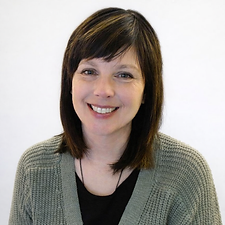
Dr. Melissa Mathews
Neuropsychologist
EDUCATION AND EXPERIENCE
I am a licensed clinical neuropsychologist specializing in comprehensive
neuropsychological evaluations for individuals across the lifespan. With over 15 years of experience, I have worked with children and adults to assess a broad spectrum of
conditions including dementia, mild cognitive impairment, ADHD, traumatic brain injury, and complex medical or neurological disorders.
I am committed to providing thorough, evidence-based evaluations that translate
complex brain-behavior findings into clear, practical recommendations for patients,
families, and referring providers. My approach is collaborative, compassionate, and
always patient-centered.
I earned a Ph.D. in clinical psychology from the University of Massachusetts-Amherst
and completed specialized training in neuropsychology, including an internship at the
University of Alabama-Birmingham and a two-year postdoctoral residency at the
University of Kentucky in the Department of Neurology/Sanders-Brown Center on
Aging.